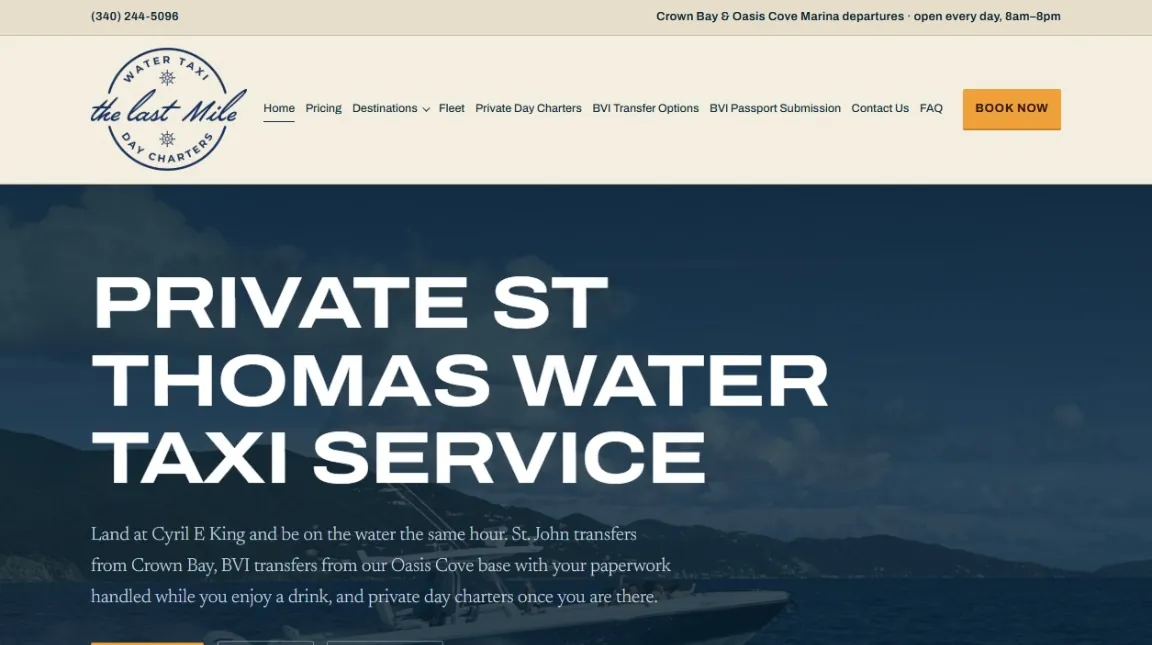
Water taxis & travel
St. Thomas Water Taxis
For an existing client, Global MCS refactored AI-generated static HTML into a production-ready PHP website while retaining the URL structure of the earlier site we had built.
- Custom PHP development

Custom web development is appropriate when a business needs workflows, integrations, publishing behavior, or interfaces that standard page templates cannot provide reliably. Global MCS defines the requirements and acceptance checks before choosing the architecture.
Describe who uses the system, what information they need, which actions they take, and what a successful result looks like. This separates a real application requirement from a feature that an existing platform already handles.
Discovery identifies user roles, data sources, integrations, permissions, error states, and operational ownership. The proposal then defines the deliverables and exclusions.
Depending on the requirements, the solution may use custom PHP, a content management system, headless publishing, static generation, or supported third-party services. The simplest suitable architecture is preferred over unnecessary complexity.
Security, performance, accessibility, backups, deployment, and ongoing maintenance are planned for the chosen system. Specific guarantees require measurable acceptance criteria and an agreed support scope.
Each custom feature needs a defined input, expected behavior, failure response, and completion state. Testing covers the agreed browsers, devices, permissions, and provider connections.
The handoff records source ownership, administrative access, dependencies, deployment steps, and the process for future changes.
These published case studies describe the work Global MCS performed. They are project evidence, not promises of identical results.
Water taxis & travel
For an existing client, Global MCS refactored AI-generated static HTML into a production-ready PHP website while retaining the URL structure of the earlier site we had built.
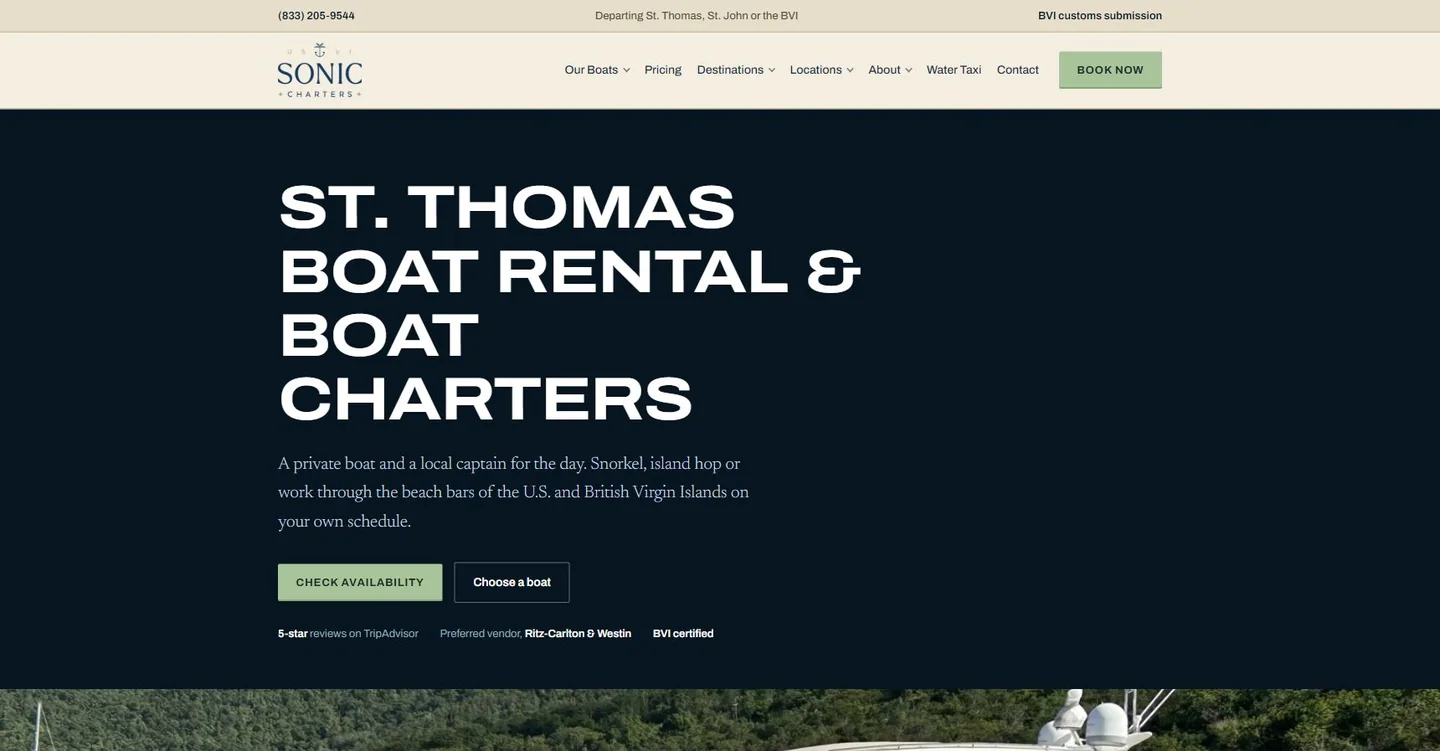
Boat charters & travel
From a WordPress theme redesign in 2018 to refactoring the client’s AI-generated replacement into production-ready PHP, with attention to SEO continuity, headless WordPress publishing, and Shopify products integrated into the website.
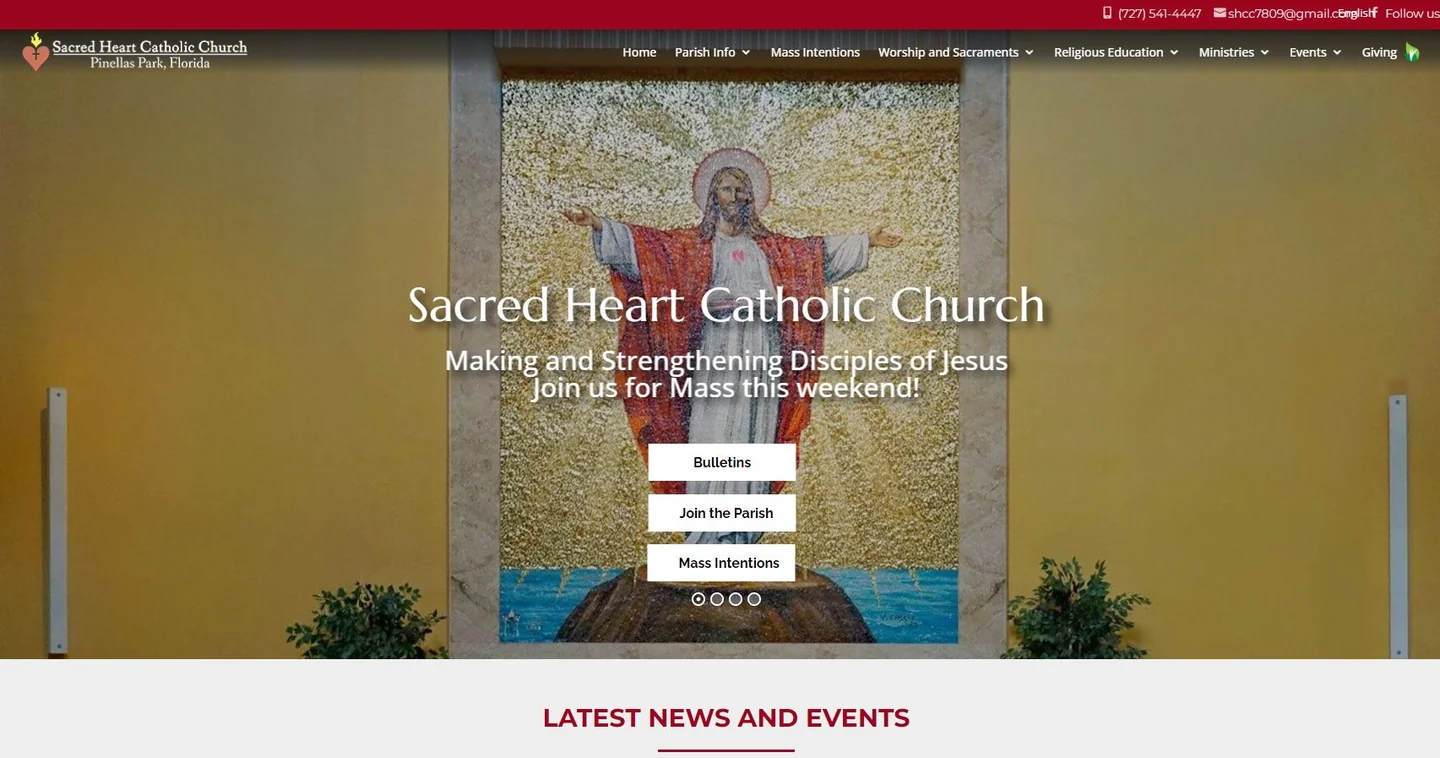
Parish & community
A parish website supported over the long term, combining an earlier redesign, hosting, weekly content updates, and a custom WordPress plugin that automatically fetches the parish bulletin from its publisher.
A custom development project needs clear requirements for the software you use today and the workflows you want to improve. These answers explain when a custom solution fits, how existing code and integrations are reviewed, and what to agree about ownership and support.
We first review the provider API, account permissions, available data, rate limits, and subscription requirements. The proposal defines which information moves between systems, how failures are handled, and who maintains the connection. Feasibility depends on the access the provider supports.
The handoff documents access, dependencies, deployment steps, and agreed acceptance checks. Ongoing monitoring, provider changes, maintenance, and new features need a defined support scope. We agree on those responsibilities and any separate charges before launch.
It is appropriate when the required workflow, integration, or publishing behavior cannot be met reliably by a simpler supported platform or configuration.
Yes, after reviewing the source, dependencies, deployment process, licenses, security implications, and the specific change requested. The review may identify prerequisites before implementation.
Ownership, licenses, third-party dependencies, hosting, and access are defined in the proposal. External software and services remain subject to their own licenses and terms.